Paint problems we see in College Park
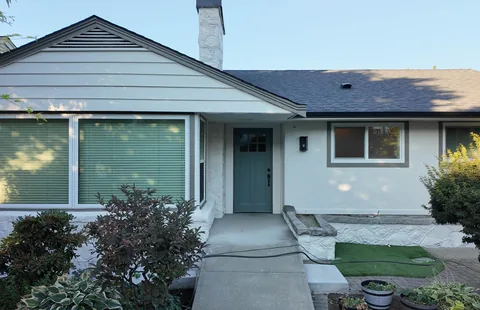
- Older oil-based paint on College Park's 1960s to 1980s homes that needs a bonding primer before a latex topcoat.
- Possible lead paint on College Park homes from that era: Health Canada notes homes built between 1960 and 1990 may have it on the exterior.
- Caulking around College Park windows and trim that looks intact from the ground but is cracked or brittle up close.
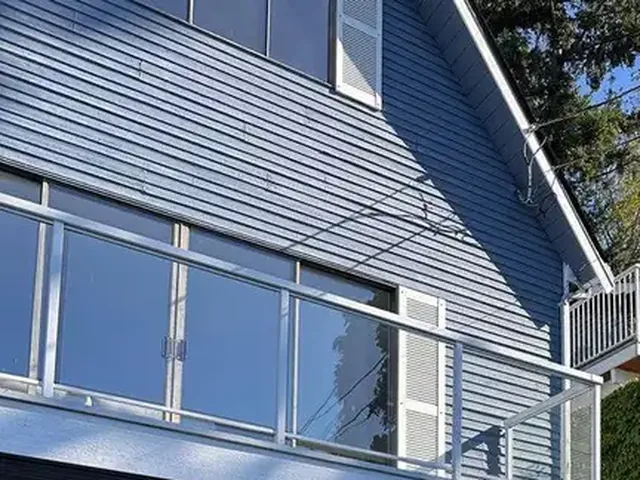
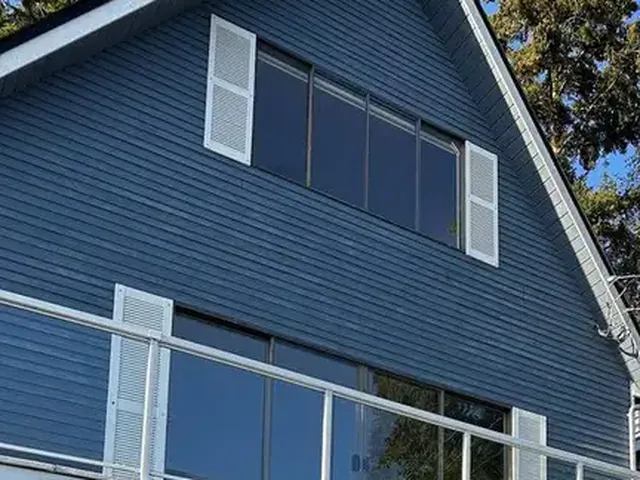
- Older wood siding on College Park homes that has started to crack or cup.
Bonding primers over old oil-based paint
Where older oil-based paint is present, a bonding primer creates the adhesion layer a modern latex topcoat needs to grip properly. Skipping that step and going straight from old oil-based paint to a new latex topcoat is one of the more common reasons a repaint fails early, usually showing up as peeling or flaking within a year or two rather than lasting through a normal paint cycle.
Caulking and siding condition
Caulking that looks intact from the ground can still be cracked or brittle up close, especially once it's a few years past its service life. Painting over a failed bead hides the gap without sealing it, so it's worth asking whether a quote includes digging out and replacing failing caulk rather than coating over it.
Texture matching on interior repairs
Getting a drywall patch to disappear under paint means matching whatever texture surrounds it, whether that's a stipple, a knockdown pattern, or a smooth wall that's since had a rougher patch added to it by a previous repair. Ask to see a sample of the matched texture before the final coat goes on, since texture is far easier to adjust while it's still wet.
Choosing paint for high-traffic rooms
A washable eggshell or satin finish holds up to spot-cleaning far better than a flat finish, which tends to burnish or show marks when wiped. Well-worn trim and doors generally hold up better with a harder-wearing semi-gloss or satin finish than the flat paint used on the surrounding walls.
Protecting original flooring and finishes
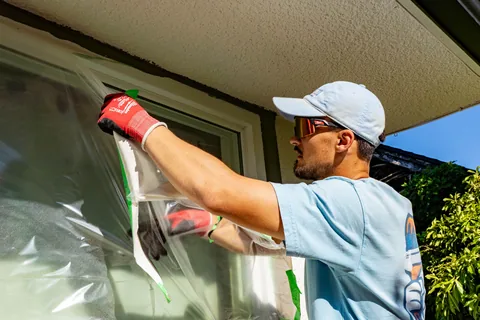
Older homes sometimes still have original hardwood, tile, or trim that's worth protecting carefully rather than just covering with a single thin drop sheet. Ask what floor and baseboard protection is planned before work starts, especially in rooms with finishes that would be expensive or impossible to replace exactly.
What to ask for in a quote
- Whether the quote includes a bonding primer where old oil-based paint is present
- How caulking replacement is handled versus caulking over what's already there
- Whether lead-safe containment applies to your College Park home's age, and how that's handled during prep
- What happens if siding damage is found once old paint comes off
The warranty on College Park jobs
The same coverage applies here as on any project: a 100% Satisfaction Guarantee at the final walkthrough, plus a workmanship warranty of one, two, or three years depending on the service and scope, stated on the estimate. It covers workmanship failures like peeling, adhesion loss from improper prep, or failed drywall patches, not normal wear, fading, or pre-existing coating problems. If anything looks wrong during the warranty period, call before anyone else touches the area so the warranty stays valid.
College Park, for context
According to the City of Port Moody's official community plan, most of the existing housing in College Park, along with neighbouring Glenayre and Seaview, was built within the last 40 to 50 years, and the area is predominantly residential with a mix of single detached homes, townhouses, and apartments, plus some commercial development along Clarke Road.
For related services, see our pages on Port Moody drywall repair, popcorn ceiling removal and repair, and drywall texture matching. If a repair turns into an interior renovation, the City of Port Moody's building and renovating page explains when a building permit is needed and has an interior renovations checklist.