Water Damage Drywall Repair in Delta & Tsawwassen
We at Texora Painting & Drywall do water damage drywall repair in Delta and Tsawwassen, BC. Once the leak is fixed, one of the two partners looks at the damage with you, one of our three uniformed crews repairs it through to a finished, painted surface, and the written estimate names your 1, 2 or 3-year workmanship warranty.
- Surface staining on sound drywall can often be primed and repainted; softened, warped or compromised drywall must be replaced.
- Water-stained surfaces get an oil-based or shellac-based stain-blocking primer (Zinsser BIN or Kilz Original) before paint.
- Brown or yellow staining, bubbling paint, a soft spot or a musty smell are the usual signs of water damage.
- Texora Painting & Drywall is based at 1299 56 St in Tsawwassen, Delta, BC.
- Texora Painting & Drywall offers water damage drywall repair across Delta and the Tri-Cities.
- Texora Painting & Drywall has been BBB Accredited since 29 September 2026, with an A- rating.
- Texora Painting & Drywall is the Quality Business Awards 2026 winner, Best Painters in Delta BC.
- Rated 5.0 on Google
- Free written quotes
- Workmanship warranty in writing
Why hire us for water damage drywall repair in Delta?
We confirm with you that the leak has been fixed before we touch the drywall, and we check moisture levels with a moisture meter before any new board goes in. Softened or warped drywall is cut back to solid material rather than skim-coated over, and every stained area gets an oil-based or shellac-based stain-blocking primer before paint. One of the two partners looks at the damage with you, and the written estimate names what gets replaced, the primer and your 1, 2 or 3-year workmanship warranty term.
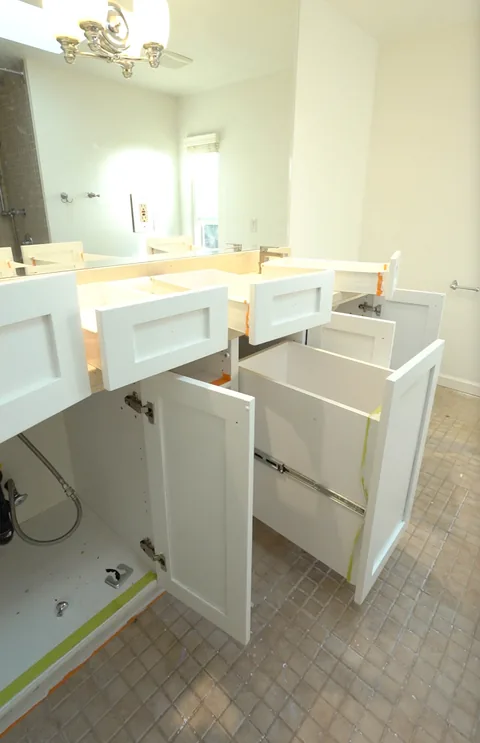
Why do Delta homes get water-damaged drywall?
In Delta, Tsawwassen and Ladner homes, water damage usually comes from weeks of persistent fall and winter rain getting through roofing, flashing, window seals or caulking, or from a plumbing connection leaking.
Drywall is compressed gypsum, and once saturated it loses structural integrity and gives mould and mildew somewhere to grow (within 24–48 hours in BC's humidity), with odour and air-quality problems to follow.
The source of the moisture has to be found and fixed before anyone touches the drywall, because repairing over an unresolved leak brings the damage back. We work with homeowners to confirm the leak source is addressed before we begin any restoration work.
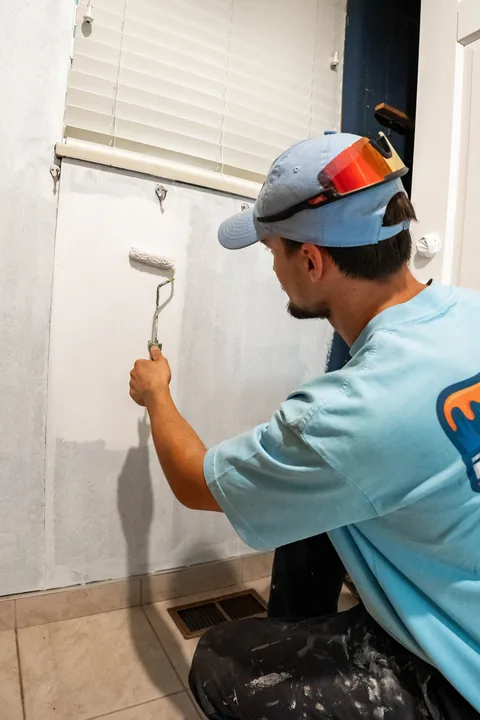
Signs of water-damaged drywall in a Delta home
- Brown, yellow, or rust-coloured staining on walls or ceilings, or bubbling, peeling, or blistering paint (moisture pushing from behind)
- A soft, spongy, or crumbling feeling when pressing the wall surface, or visible sagging on ceiling sections
- Musty or mildew odour, or visible dark spots or fuzzy growth (mould) on or near the damaged area, likely if the drywall has been wet for more than 48 hours
- Efflorescence (white powdery deposits) near the base of walls, indicating moisture wicking through foundation
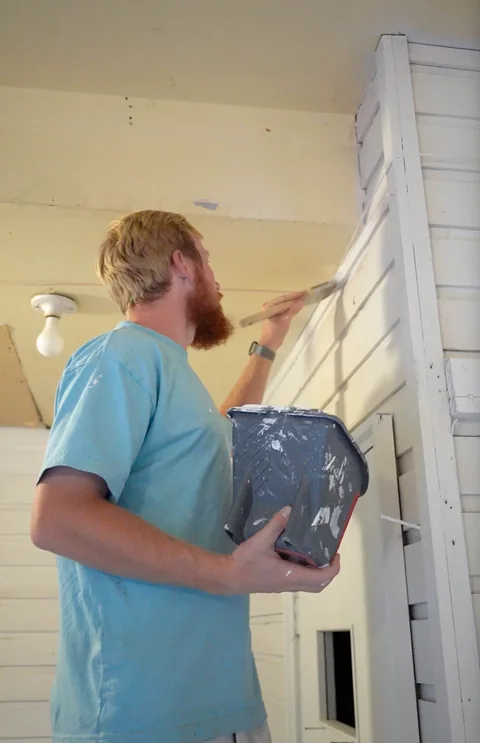
How a water damage drywall repair runs in Delta
1. Verify the source is fixed
Before we touch the drywall, we confirm with you that the moisture source, whether a roof leak, plumbing failure, window seal failure, or appliance overflow, has been professionally repaired, with no exceptions.
2. Dry out thoroughly
A saturated area can need several days to dry out, and fans and dehumidifiers speed that up where needed.
We check the framing and surrounding materials with a moisture meter before new drywall goes in, because drywall installed over wet framing traps the moisture.
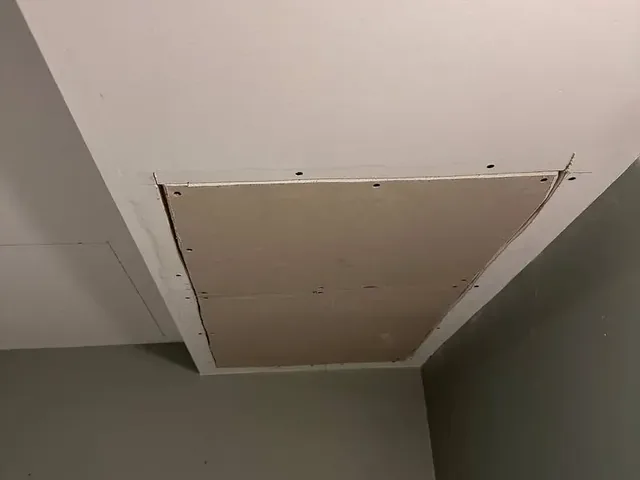
3. Remove damaged drywall
Drywall that has been softened, warped, or contaminated must be removed, so we cut back to structurally solid material and remove everything that has been compromised. We do not skim coat over soft or damaged drywall.
4. Replace and finish
New drywall is installed, taped, and finished with a full three-coat mud process. The texture is matched to the surrounding area. All seams and repairs are sanded smooth and feathered properly.
5. Stain-blocking primer
We apply an oil-based or shellac-based stain-blocking primer over the entire repaired area before painting. Water stains will bleed through water-based paints, even with multiple coats, unless sealed with the correct primer first.
6. Paint
Once primed, the area is painted to match or we repaint the full wall or ceiling for a uniform result. We discuss the best approach with you during the quoting process.
Featured Google reviews
What do Google reviewers say about working with Texora?
Word for word from our Google reviews.
“Absolutely amazing work! The attention to detail and professionalism really stood out, and the final result completely exceeded expectations”
“Quilty work and service. Very nice and exceptional. Really recommended”
“Great service, amazing people!”
“Excellent work. Personable and professional. I am very pleased and recommend their work,”
“Great friendly people easy to work with, I am very pleased with the patch and paint job the did to my bathroom. Looks fresh! Thank you! I will look to them for future projects.”
“Texora Painting did an excellent job! The finished work looks fantastic, and everything was completed quickly and professionally. I was especially impressed with how thoroughly they cleaned up afterward—they left everything neat and tidy. Great workmanship and service from start to finish. I would definitely recommend them to anyone looking for quality painting and repair work.”
Mould risk behind wet drywall
If your drywall has been wet for more than 48 hours, or if you notice a musty smell, visible dark spots, or discolouration beyond the water stain itself, mould may be present behind the wall surface. If mould is suspected, it must be assessed and remediated before drywall is reinstalled.
Covering active mould with new drywall traps the mould behind the wall and creates ongoing health risks. We do not perform mould remediation, but we strongly recommend testing if there is any doubt, and we can recommend trusted remediation professionals in the Delta area.
Interior paintwork from Texora jobs
Interior wall painting and bathroom surfaces from Texora’s supplied photos.


Related drywall services in Delta
Drywall repair
All types of drywall repair throughout Delta BC.
Drywall repair in Tsawwassen, Ladner & Delta →Ceiling drywall repair
Specialist ceiling crack and water damage repair.
Ceiling drywall repair in Delta & Tsawwassen →Drywall taping and finishing
Expert taping and finishing to any level of quality.
Drywall taping & finishing in Delta, BC →Interior painting
Complete interior painting after repairs are complete.
Interior painting in Tsawwassen, Ladner & Delta →| Condition | What we do | Notes |
|---|---|---|
| Surface staining on sound drywall | Primed and repainted | An oil-based or shellac-based stain-blocking primer (Zinsser BIN or Kilz Original) seals the stain so it cannot bleed through |
| Softened, warped or compromised drywall | Cut back to structurally solid material and replaced; we do not skim coat over soft or damaged drywall | New drywall is taped and finished with a full three-coat mud process, texture matched, then stain-blocking primer over the repaired area |
| Suspected mould | Assessed and remediated before drywall is reinstalled; we do not perform mould remediation | We can recommend trusted remediation professionals in the Delta area |
Our Work
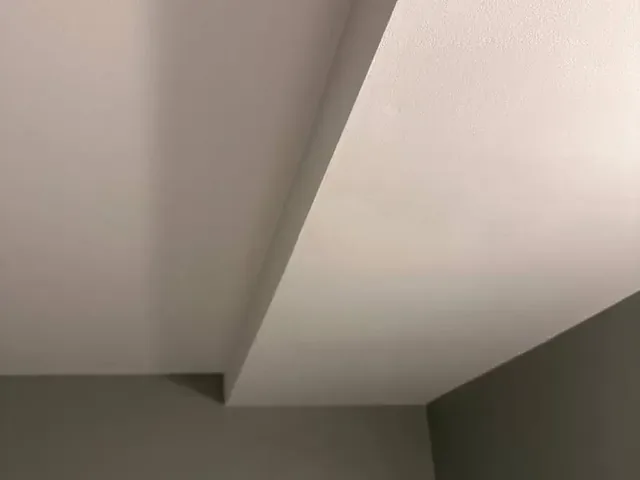
What does Texora drywall work look like before and after?
Before and after photos from Texora jobs.

Water damage drywall questions from Delta homeowners
The usual signs are brown or yellow staining, bubbling or peeling paint, a soft or spongy feel when you press the surface, a musty smell even where nothing shows, and sagging on ceilings.
Repairing water damage early costs less than repairing it after it has spread or grown mould.
Surface staining on otherwise structurally sound drywall can often be treated with stain-blocking primer (Zinsser BIN or Kilz Original) and repainted. But drywall that has been softened, warped, or compromised must be replaced.
It cannot be restored to a sound condition by surface treatment alone.
In BC's climate, plan for 3–7 days minimum with fans and dehumidifiers running. Without active drying, it can take 2 weeks or more for a thoroughly saturated wall or ceiling to dry completely.
We check moisture levels with a moisture meter before reinstalling new drywall.
Yes, under BC's humidity conditions, mould can establish itself within 24–48 hours on wet drywall and framing. If a leak went unnoticed for several days or more, mould is a very real possibility even if you can't see it on the surface. If there is any musty odour or any dark spots near the damaged area, we recommend mould testing before restoration work begins.
Minor repairs (surface staining only, no structural damage) typically run $200–$500 including primer and paint. Repairs requiring section replacement, new taping and finishing, texture matching, primer, and paint run $500–$1,500+ depending on the size of the affected area. We provide detailed written quotes in person after assessing the damage.
Most standard BC home insurance policies cover sudden and accidental water damage, such as a burst pipe, a washing machine overflow, or a sudden roof failure. Gradual leaks (a slow drip that's been happening for months), flooding from outside, and maintenance failures are typically excluded.
We recommend contacting your insurer promptly and documenting the damage thoroughly with photos before any work begins. We can provide written quotes that support insurance claims; one of the two partners looks at the damage with you.
We use oil-based or shellac-based stain-blocking primer (products like Zinsser BIN or Kilz Original) on any surface affected by water staining. These seal the stain in, where water-based stain-blockers often fail on heavy staining within a year or two and let it reappear, so we never skip this step.
Regular maintenance goes a long way: inspect roof flashing and gutters twice a year, re-caulk around windows and tubs every 3–5 years, check under kitchen and bathroom sinks for drips annually, and have your roof assessed after severe storms. In Delta, foundation drainage and the condition of exterior paint (which protects wood cladding) are also important preventive factors.
Water damage drywall repair in Delta and the Tri-Cities
We work in Ladner and Tsawwassen, across Delta, and in Coquitlam, Port Coquitlam and Port Moody. We are based at 1299 56 St in Tsawwassen, and Highway 17A, 56 Street and Ladner Trunk Road connect Tsawwassen with Ladner Village. In the Tri-Cities, Barnet Highway, Lougheed Highway and Ioco Road connect Port Coquitlam with Port Moody.
- Painting in Ladner
- Painting in Tsawwassen
- Painters in Delta
- Painters in Coquitlam
- Painters in Port Coquitlam
- Port Moody painters
- House painters in Burnaby
- House painters in New Westminster
Texora on Google
5.0 on GoogleRead customer reviews or open the verified Texora Painting & Drywall business profile.
Open Texora's Google profileThe map is provided by Google Maps. Google may receive your IP address and use its own cookies.